Modern diagnostics combine molecular, cellular, and biochemical technologies to detect biological changes and identify disease-related markers. From amplifying and sequencing DNA to analyzing cells, tissues, and biomarkers, these technologies help researchers and healthcare professionals understand biological processes and support disease detection and characterization.
Explore how different diagnostic technologies work, what they can detect, and where they are used in modern biomedical research.
Genetic diagnostics
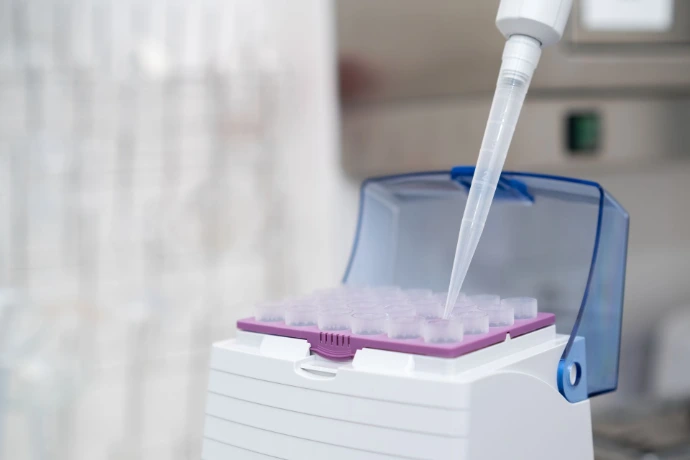
PCR
PCR Amplifying Genetic Targets
Learn how PCR amplifies specific DNA sequences and why it is widely used in molecular diagnostics.

FISH
Detecting Genetic Changes
Learn how fluorescent probes bind to specific DNA sequences inside cells and why FISH is used to detect genetic and chromosomal abnormalities
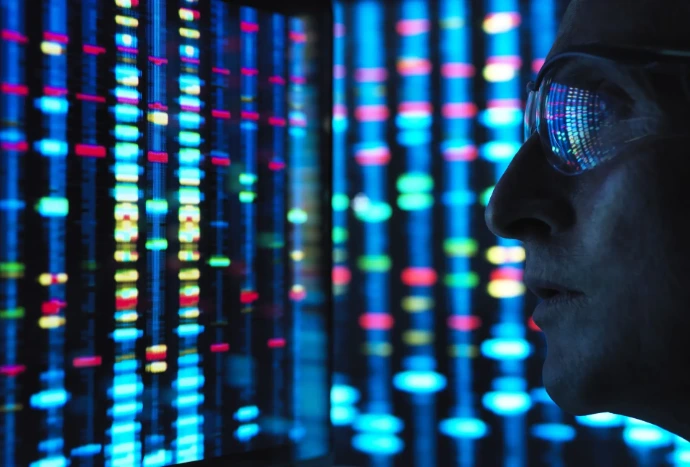
Sequencing
Reading Genetic Information
Learn how DNA sequencing determines the order of nucleotides in a DNA molecule and why it is used to identify genetic variants and molecular changes.
Molecular & biomarker diagnostic
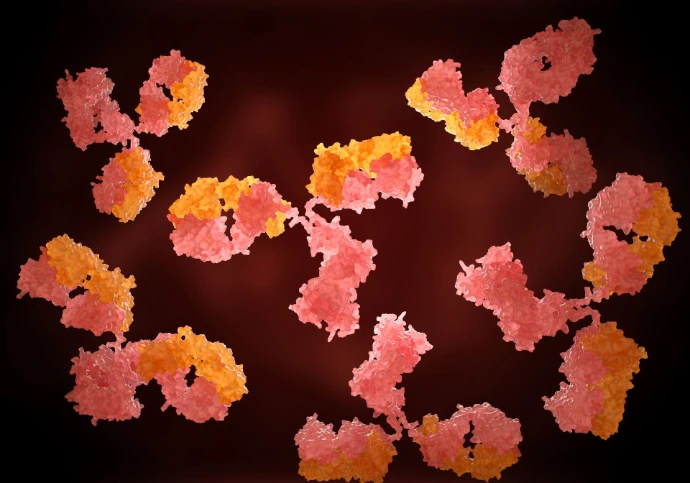
Immunoassays
Detecting Biological Targets
Explore how antibodies can be used to detect antigens, proteins, and other biological
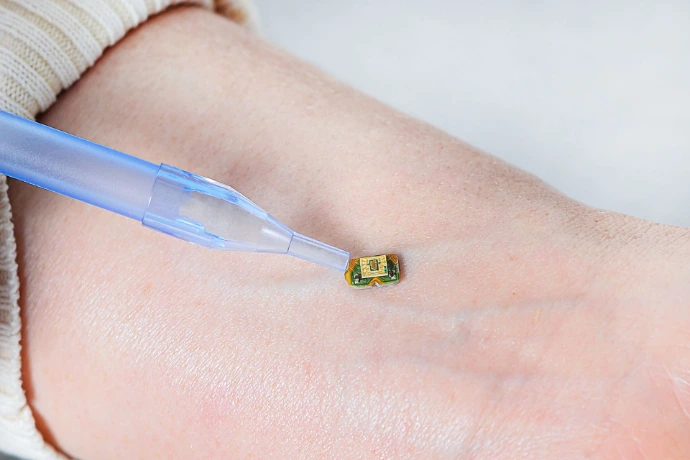
Biosensors
Detecting Biological Signals
Learn how biosensors combine biological recognition elements with a detection system to identify specific biological targets and generate measurable signals.

Mass Spectrometry
dentifying Molecular Signatures
Learn how mass spectrometry measures molecules according to their mass-to-charge ratio and why it is used to identify and characterize proteins, peptides, and other molecules
Cell & tissue diagnostic

Flow Cytometry
Analyzing Individual Cells
Learn how flow cytometry analyzes cells individually based on their physical and molecular characteristics and why it is useful for studying cell populations.

Microscopy
Visualizing Cells and Tissues
Learn how microscopy reveals cells, microorganisms, and tissue structures and why microscopic examination remains an important tool in biological diagnosis.

Histopathology
Examining Tissue Changes
Learn how histopathology examines tissue structure and cellular changes to identify abnormalities associated with disease.